Electricity bought from the grid is an ongoing household cost with little certainty around future prices. Solar changes that equation by letting you generate part of your own power from your roof. But are solar panels worth it for every UK homeowner? Not automatically. The best answer depends on how much electricity you use, when you use it, the condition and orientation of your roof, and whether the system is designed around your real household needs.
For many homes, a professionally designed solar system can reduce reliance on imported electricity, provide long-term savings and make energy use more predictable. The value is strongest when solar is treated as a considered home investment rather than a one-size-fits-all purchase.
Are solar panels worth it? Start with your daytime use
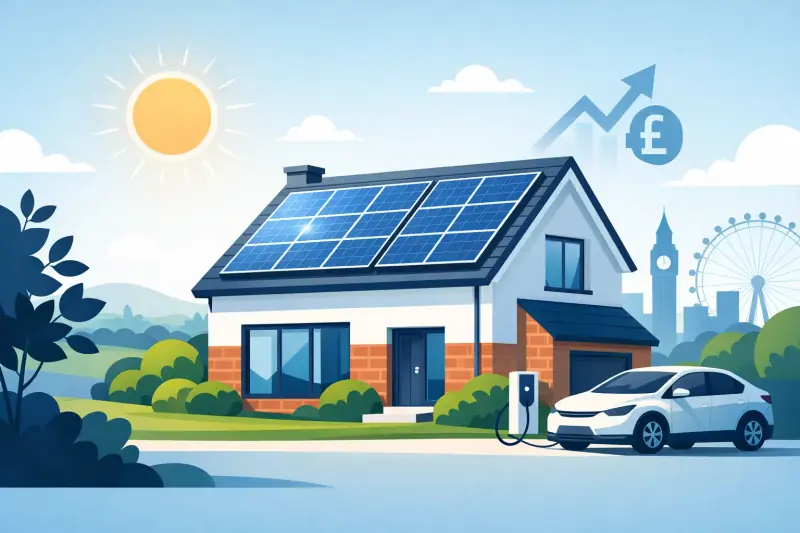
Solar panels generate most of their electricity during daylight hours, with output naturally highest in spring and summer. That means the homes that benefit most are often those able to use power as it is produced. Working from home, running appliances during the day, charging an electric vehicle, or using a heat pump can all increase the amount of solar electricity you use yourself.
This matters because self-generated electricity is generally more valuable when it replaces electricity you would otherwise buy from the grid. Any unused electricity can be exported, with payments available through the Smart Export Guarantee from participating energy suppliers. Export income is useful, but it is usually better to use as much of your generation at home as possible.
A household that is empty from morning until evening can still benefit from solar. It may simply need a different design approach, such as timed appliance use, smart controls or battery storage. A good proposal should show expected generation, estimated self-consumption and realistic savings assumptions, rather than relying on a headline figure alone.
The costs behind the return on investment
Solar is a long-term investment. The upfront cost varies according to system size, panel specification, roof access, scaffolding requirements, electrical work and whether a battery is included. A larger system is not always the smartest choice if much of its generation will be exported at a lower rate.
Instead, the right system should be sized around your annual consumption and household routines. A family with high electricity use, an electric vehicle or plans to install a heat pump may have a stronger case for a larger array. A smaller household with modest daytime demand may be better served by a carefully matched system that avoids unnecessary upfront cost.
Payback periods can vary significantly. Electricity tariffs, export rates, weather, roof performance and changes to your lifestyle all affect the result. It is sensible to view estimated savings as an informed forecast, not a fixed guarantee. Panels can continue generating for decades, so the decision should look beyond the initial payback period and consider the longer-term reduction in electricity purchased from the grid.
There is also a practical point that is easy to overlook: solar can protect more of your budget from future electricity price rises. It will not remove energy bills altogether, particularly in winter or overnight, but it gives you greater control over a meaningful portion of your consumption.
Your roof matters, but perfection is not required
A south-facing roof with minimal shade is often ideal, but it is not the only roof that can make solar worthwhile. East- and west-facing arrays can produce power across more of the day, which may suit homes with morning and late-afternoon demand. In some cases, panels can be split across different roof aspects to better match how a household uses electricity.
Shade deserves careful assessment. Chimneys, trees, neighbouring buildings and roof features can affect output, particularly where shade falls across multiple panels. Modern system design and panel-level technology can help manage some shading issues, but they do not make every roof suitable. An honest survey should identify limitations before installation, not after it.
The roof itself also needs to be in good condition. If major repairs or replacement are likely in the near future, it is often more cost-effective to complete that work first. Removing and refitting panels later is possible, but it adds expense and disruption.
When a home battery makes financial sense
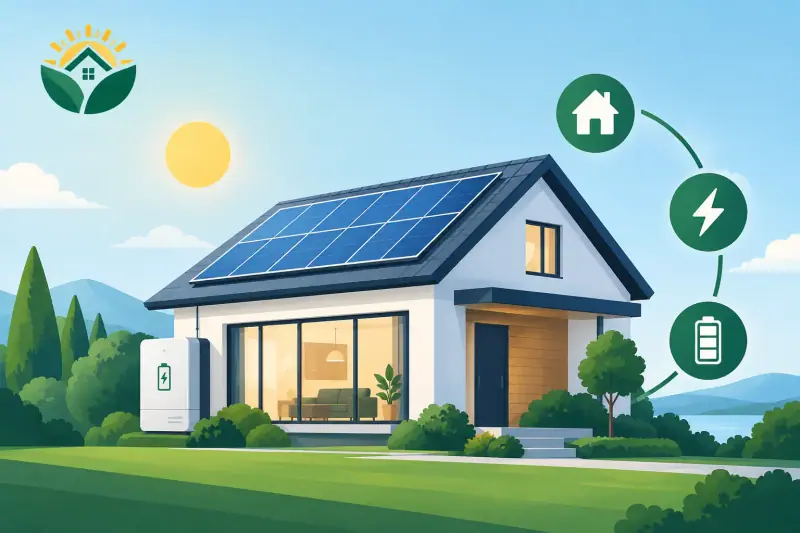
Battery storage is not essential for solar to work, but it can change how much of your generation you keep. Rather than exporting surplus daytime electricity, a battery stores it for use later in the evening, when many households switch on lights, cook meals and use more power.
For homes with low daytime occupancy, a battery can improve self-consumption and make solar savings more consistent. It can also be useful on time-of-use electricity tariffs, where energy may be bought at cheaper off-peak periods and used when grid prices are higher. The detail matters here: battery capacity, charging strategy and tariff choice should all work together.
A battery does add to the initial investment, so it is not always the quickest route to payback. If your daytime demand is already high, you may use most solar generation directly and need less storage. Equally, a household planning to add an electric vehicle or heat pump later may choose a battery-ready system now, then add storage when it suits their budget and energy use.
It is worth asking what backup capability is included, too. Not every battery system keeps your home powered during a power cut. Backup requires specific equipment and design choices, so it should never be assumed.
Quality installation protects the value of solar
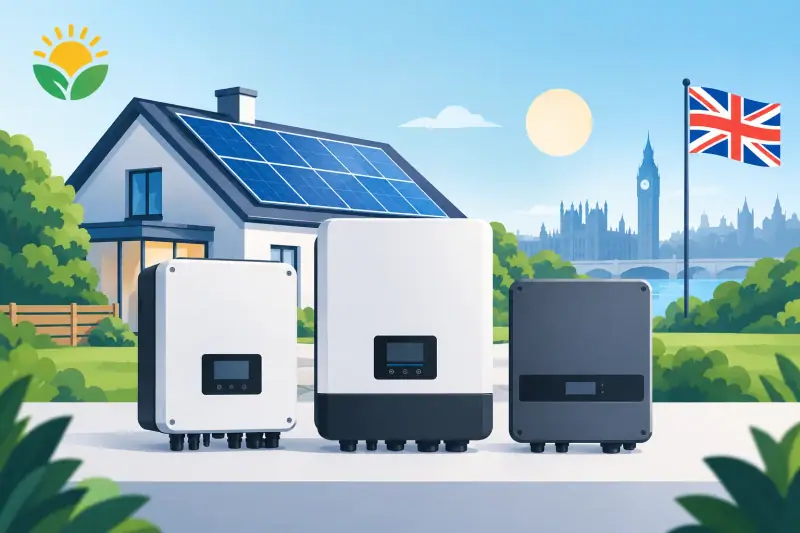
The equipment is only one part of a successful solar project. Correct system design, safe installation, tidy cable routing, commissioning and clear monitoring setup all influence performance and peace of mind. Choosing an MCS-certified installer is particularly important for homeowners who want access to Smart Export Guarantee payments and confidence that their system has been installed to recognised standards.
A clear quotation should explain the proposed panel layout, inverter and battery specification, expected annual generation, warranties, payment stages and any assumptions used in the savings estimate. It should also set out what happens if the survey identifies an issue, such as shading, roof repairs or electrical upgrades.
Aftercare matters just as much as installation day. Monitoring helps you see what the system is producing and how your household is using energy. If performance changes unexpectedly, prompt support can prevent a small issue becoming a prolonged loss of generation. Solar is designed to be low maintenance, but it should not feel like a product you are left to manage alone.
Solar is especially compelling when plans are long term
Solar panels tend to offer the best value for owners planning to remain in their property for several years. The longer you benefit from reduced grid imports, the more opportunity there is for the system to repay its cost and continue producing savings. They can also be a positive feature for buyers who value lower running costs and clean energy, although an uplift in property value should not be treated as guaranteed.
For commercial properties, the case can be even stronger where there is substantial daytime electricity use. Offices, workshops, retail premises and other businesses may be able to consume a high share of on-site generation while demonstrating a practical commitment to reducing carbon emissions. The same principle applies: a system must reflect actual demand, operating hours and future growth plans.
Solar may be less suitable if you expect to move very soon, have a roof needing significant work, face severe and unavoidable shade, or use very little electricity. In those situations, waiting or addressing the underlying issue first can be the sensible decision.
Make the decision with real numbers, not promises
The question is not simply whether solar panels are worth it in general. It is whether they are worth it for your roof, your bills and the way you live. A proper site survey and tailored design turn broad averages into a decision you can trust.
The smartest home investment is one that fits your plans as well as your property. With clear expectations, quality installation and a system designed to help you use more of the energy you generate, solar can be a practical step towards owning more of your energy.