A London roof can look perfectly suited to solar from street level, then reveal chimney shade, limited access or a complex electrical layout during a survey. That is why reliable London solar installation services begin with understanding the property, not with a one-size-fits-all panel package.
For homeowners and businesses, solar is a practical way to reduce reliance on grid electricity and take greater control of rising energy costs. The right system should fit how you use power, the shape and condition of your roof, and your longer-term plans for battery storage, an electric vehicle or heat pump.
What a professional solar installation should include
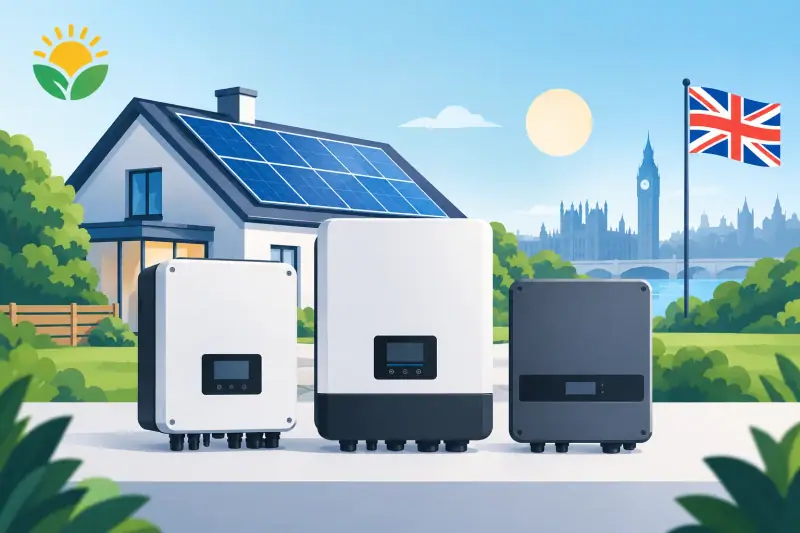
Solar panels are only one part of a working energy system. A properly planned installation brings together the panels, mounting equipment, inverter, generation monitoring and the property’s existing electrical supply. If you choose battery storage, that also needs to be sized and positioned safely.
The best proposals explain these parts in plain English. You should be able to see the proposed panel layout, expected annual generation, likely self-consumption, estimated export and the assumptions behind any savings figure. A good installer will also explain what could change those results, such as future electricity prices, household routines and shading at different times of year.
At Infused Solar Energy, the focus is on end-to-end delivery: survey, system design, installation, monitoring setup and aftercare. This matters because a solar system is a long-term investment, not simply a product delivered to the roof.
The survey: where an accurate design starts
A site survey is the point at which broad estimates become a realistic design. The installer will assess the roof orientation and pitch, available space, shading from nearby buildings or trees, roof condition and access requirements. They should also look at the consumer unit, cable routes and where an inverter and battery could be installed.
South-facing roofs often produce the highest total annual generation, but east- and west-facing arrays can still be an excellent choice. They tend to generate more power in the morning and afternoon, which can suit homes where people are out during the middle of the day. The right answer depends on when the building uses electricity, not just on the compass direction.
For London properties, practical details can make a real difference. Terraced homes may have narrower access, flats may require freeholder consent, and older properties can need more careful electrical planning. If your home is listed or in a conservation area, planning requirements may also need checking before work begins. A professional survey identifies these questions early, helping to avoid surprises once installation is scheduled.
Roof condition and access are not minor details
Solar panels are designed to remain in place for decades, so fitting them to a roof that will shortly need major repairs is rarely sensible. If tiles, felt or flashing are nearing the end of their life, it may be better to address that work first.
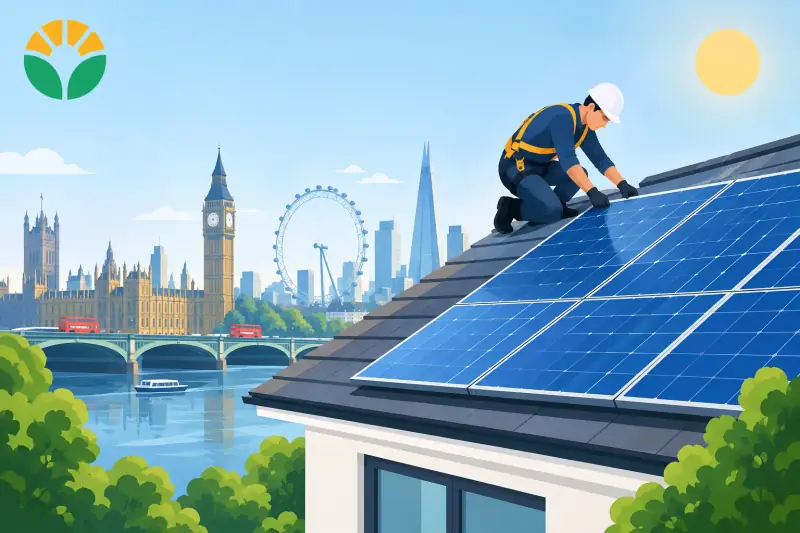
Access is equally important. Scaffolding, safe lifting arrangements and protection for the property all affect how smoothly the work can be completed. Efficient one-day installations are possible for many straightforward homes, but the schedule should reflect the actual site rather than an optimistic promise.
Choosing the right system size
It is tempting to size a system only around last year’s electricity bill. That provides a useful starting point, but it is not the whole picture. A growing family, home working, an electric vehicle or a planned heat pump can all change consumption significantly.
A smaller array may cost less initially and still cover a meaningful share of daytime use. A larger array can generate more over the year, but any excess power may be exported at a lower rate than the electricity you buy from the grid. Battery storage can help retain more of your solar generation for the evening, although it adds upfront cost and should be justified by your consumption pattern.
The sensible approach is to design for present use while allowing for likely changes. For example, an inverter may be selected with battery compatibility in mind, even if you decide to add storage later. This can prevent unnecessary replacement costs and keeps your options open.
Is a solar battery worth adding?
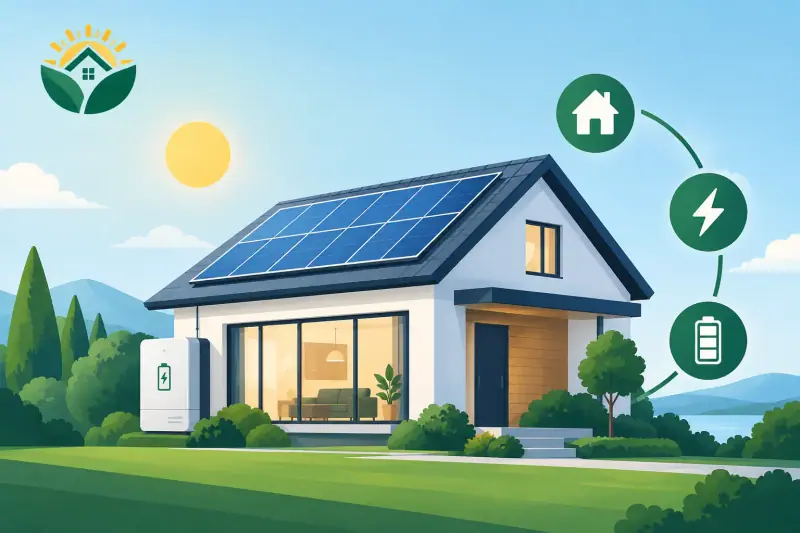
A home battery stores surplus solar electricity instead of sending all of it to the grid. You can then use that stored energy after sunset or during periods when household demand is higher than panel generation. Some batteries can also charge from the grid during cheaper off-peak tariff periods, depending on the system and tariff.
Whether a battery is worthwhile depends on your habits. It can be particularly useful where daytime solar generation is high but most electricity is used in the morning and evening. It may be less compelling for a property with consistent daytime use, or where the budget is better spent on a larger array first.
Battery capacity should not be chosen by headline size alone. The usable capacity, charge and discharge rate, warranty, location and compatibility with the inverter all matter. Your installer should discuss where the battery will sit, how it will be protected and what the system can and cannot do during a power cut. Not every battery installation provides backup power automatically.
MCS standards, grid approval and paperwork
Trust is built through the details that are easy to overlook. An MCS-certified installation demonstrates that the system has been designed and fitted to recognised standards. It also supports access to export arrangements, as energy suppliers commonly require MCS documentation for Smart Export Guarantee tariffs.
Your installer should manage the relevant notification or application process with the local electricity network operator. Smaller domestic systems are often notified after installation, while larger systems or particular network conditions may need approval before work starts. This is not paperwork for its own sake. It confirms that the local network can accommodate the generation safely.
Once the system is commissioned, you should receive clear documentation: electrical certificates, MCS certificate, product warranties, system information and guidance on monitoring. Insurance-backed protection and workmanship cover add further reassurance, particularly when you are comparing installers who appear similar on price.
Understanding solar costs and returns
No honest installer can promise an identical payback period for every London property. Generation changes with orientation, shade and weather, while financial returns depend on electricity rates, export tariffs and how much solar power you use directly.
A transparent proposal should separate the cost of panels, inverter, battery storage where included, installation and any additional work required. It should also show estimated generation and savings without presenting projections as guarantees. If a quotation is dramatically cheaper than others, ask what has been omitted: scaffolding, monitoring, warranties, electrical upgrades or aftercare can all affect the true value.
The strongest returns usually come from using more of the electricity your panels produce. Running appliances in daylight, scheduling EV charging thoughtfully and using smart controls can make a noticeable difference. Solar works best as part of a considered energy plan, rather than an installation you never look at again.
Aftercare keeps the system working for you
Once the panels are generating, monitoring gives you visibility over performance. Most systems provide an app or online portal showing production, consumption and battery activity. Checking it occasionally can help you spot changes in output and understand when the property is using the most grid electricity.
Solar panels generally require little routine attention, but maintenance still has value. Visual checks, system health reviews and prompt support if an inverter shows a fault can protect performance over the long term. Avoid treating unexpected low generation as something to ignore, especially if it occurs outside normal seasonal variation.
For commercial properties, ongoing monitoring and maintenance are even more important. A fault on a larger system can mean lost generation across a substantial roof area. Clear responsibility for support, reporting and corrective work should be agreed before installation.
Questions worth asking before you choose an installer
Before accepting a proposal, ask whether the design is based on a survey, how shading has been assessed, what generation assumptions have been used and which elements are covered by warranties. Ask who will carry out the installation, whether the engineers are MCS certified, and what happens if you need support after commissioning.
It is also worth asking about future flexibility. Can battery storage be added later? Is the inverter suitable for your plans? Will you receive access to your monitoring platform? Clear answers are a good sign that the installer is designing for your property rather than selling a standard package.
The smartest home investment is one you understand. Choose a system that is properly surveyed, clearly specified and supported after the scaffolding comes down, and you can start owning more of the energy you use.