A solar quote can look simple: panels on the roof, lower bills, cleaner electricity. The detail that protects the value of that investment sits behind the scenes. Solar regulations 2026 affect whether a system can be installed, connected to the grid and paid for its exported energy: so getting the checks right before work begins matters.
For most UK homeowners, the process is straightforward when it is managed by an experienced installer. But regulations are not a one-size-fits-all checklist. Your roof, local planning status, electricity supply and the size of the proposed system all shape the route forward.
Solar regulations 2026: the checks that matter
The key areas are planning permission, building regulations, grid connection approval and installer certification. A well-designed system brings these together rather than treating them as paperwork to deal with after the panels are fitted.
For a typical home, solar panels mounted close to a pitched roof will often fall under permitted development rights. This means a full planning application is not normally needed. There are conditions, however. Panels should be positioned to minimise their effect on the building’s appearance, should not project beyond specified limits, and should be removed when they are no longer in use where reasonably practicable.
The picture changes for listed buildings, properties in conservation areas, flats, homes with unusual roof structures and ground-mounted arrays. Commercial premises can face additional considerations too, especially where an installation is highly visible, affects a heritage building or sits on land with planning restrictions. Never assume that a neighbouring installation means your own project has the same status.
A proper site survey should flag these questions early. It is far easier to adjust a design or obtain consent before installation than to face delays after equipment has been ordered.
Planning permission is only one part of compliance
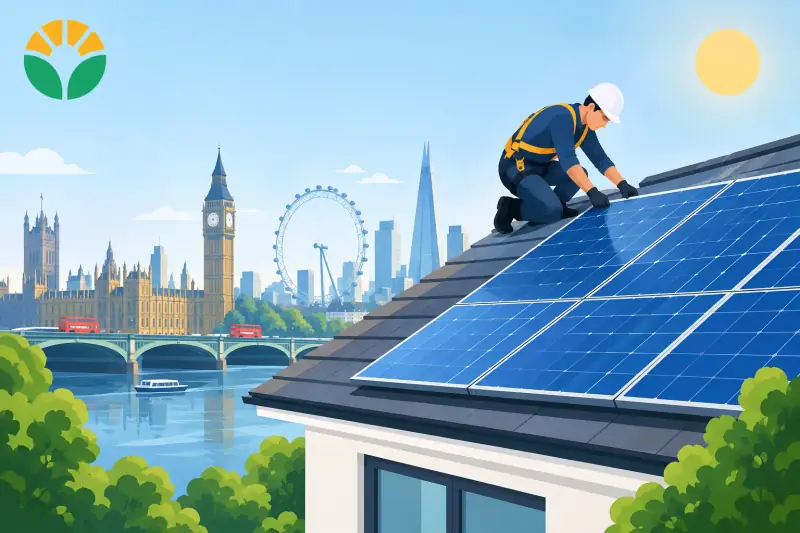
Solar work must also meet relevant building regulations. In practical terms, this means confirming that the roof can safely carry the additional loading, that fixings are appropriate for the roof construction and that electrical work is designed and completed safely.
A surveyor may need to consider rafter size, roof condition, tile type, wind exposure and the location of the inverter and battery. On an older property, a roof that looks sound from the ground may still require repair before panels are installed. This is not an unnecessary obstacle. Panels are designed to operate for decades, and the roof beneath them needs to be ready for that commitment.
Electrical work should be completed and certified by competent professionals. Your system needs suitable isolation, protective devices, earthing arrangements and clear labelling so that it can be operated and maintained safely. Battery storage deserves particular attention because its location, ventilation, access and fire considerations should be assessed as part of the design, not added as an afterthought.
For commercial buildings, the conversation can be broader. A property owner may need to consider landlord permissions, roof warranties, access arrangements, fire strategy, structural reports and duties under construction safety regulations. The right approach depends on the building and the scale of the system, which is why a bespoke proposal is more valuable than a generic panel package.
Your DNO decides how the system connects
The Distribution Network Operator, or DNO, manages the local electricity network. It is not your energy supplier. The DNO’s role is to make sure your solar system can connect without causing issues on the local network.
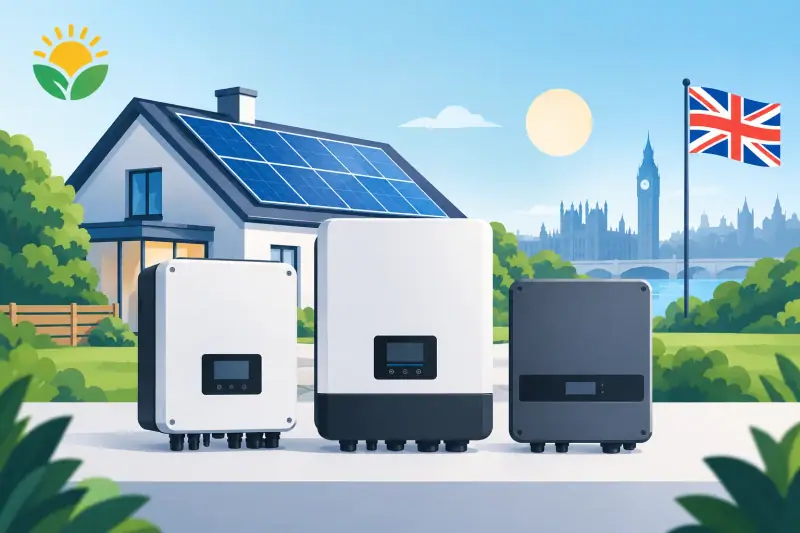
Smaller domestic systems can often be installed under the G98 connection process, with the DNO notified after commissioning. Larger systems, or systems with higher export capacity, will usually need G99 approval before installation. The important figure is often the inverter’s export capability rather than simply the number of panels on the roof.
This distinction matters. A home could have a sizeable solar array and battery while exporting only a controlled amount to the grid. In some areas, the DNO may approve a system with an export limit, request further information or require network work before allowing higher export. That does not necessarily make the project uneconomic. It simply means the system should be designed around how the property uses energy.
For example, a household with an electric vehicle, heat pump or high daytime demand may gain excellent value from generating and using more power on site. A battery can store surplus generation for the evening, reducing reliance on peak-rate electricity even when export is limited.
MCS certification and export payments
MCS certification remains an important trust and quality marker for domestic solar installations. It demonstrates that the installation has been designed and completed to recognised standards, using appropriately certified products and processes. It can also be needed to meet the eligibility rules for particular export tariffs or finance arrangements.
The Smart Export Guarantee, known as SEG, is the framework under which participating suppliers offer payments for electricity exported to the grid. Tariffs, rates and eligibility criteria are set by suppliers, so they vary. A high export rate may look attractive, but it should not be the only factor in your decision. A system that increases self-consumption can often produce more meaningful savings than one designed simply to export as much as possible.
Keep every important document after installation: the MCS certificate where applicable, commissioning records, electrical certification, warranties, DNO paperwork and monitoring information. These records help with export tariff applications, future maintenance, property sales and insurance queries.
Battery storage changes the design conversation
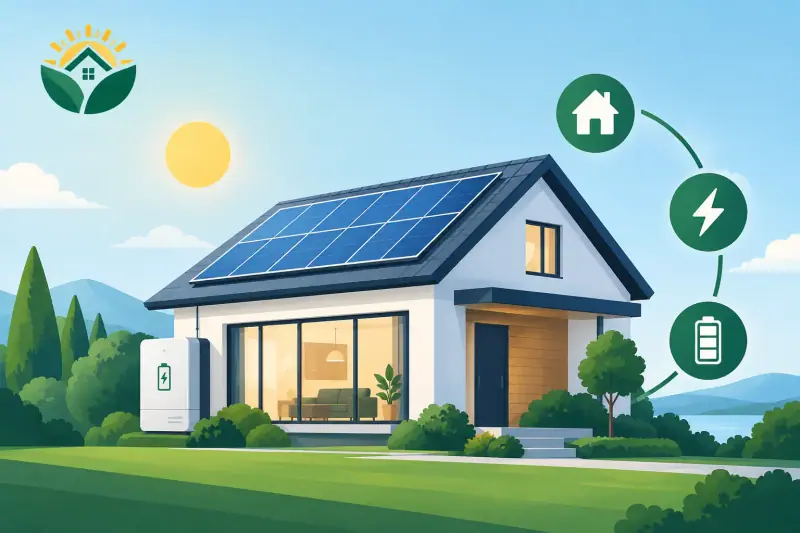
Battery storage is increasingly part of a solar installation, but it is not automatically right for every property. The best case for a battery is usually a home or business that has regular surplus generation, meaningful evening or overnight demand, or access to an electricity tariff that rewards off-peak charging.
Regulations do not require every solar system to have a battery. They do require the installer to consider safe installation and grid connection requirements. Adding a battery later can also affect the DNO position, particularly if it can export to the grid. This is why it is useful to plan for future storage during the original system design, even if you decide to install it at a later date.
Tax treatment, product eligibility and supplier tariffs can change, so confirm the position that applies to your exact project at the quotation stage. Clear written information is better than relying on a headline offer or an assumption based on a friend’s installation.
What a good installer should handle for you
You should not have to become an expert in planning rules, network forms and electrical standards to own your energy. A professional solar partner should explain what applies to your property, identify any likely constraints and manage the appropriate notifications and certification.
Before accepting a proposal, ask how planning status will be assessed, whether DNO approval is required before installation, what export limit is being assumed and which documents you will receive at handover. Also ask how predicted generation and savings have been calculated. An honest answer will account for roof orientation, shading, local conditions, electricity use and tariff assumptions rather than promising a fixed saving that no installer can guarantee.
At Infused Solar Energy, the aim is to make that process clear from survey through to monitoring and aftercare. An MCS-certified design, carefully matched to the property and its energy habits, gives you a system built for dependable long-term performance rather than a quick installation alone.
The most useful next step is simple: arrange a proper survey before making decisions based on panel count or a headline price. Once your roof, usage and grid connection are understood, the regulations become a managed part of the project: and you can focus on the savings, control and confidence your system is designed to deliver.