A typical electric car can add hundreds of miles of driving range each month while parked on the drive. If your roof is already producing electricity, it is natural to ask: can solar charge electric cars directly? Yes: and for many UK households, it is one of the most practical ways to make solar work harder for them.
The real answer depends on your driving habits, the size and orientation of your roof, when you are usually at home and whether you can charge during daylight hours. A well-designed system will not make every mile free from the sun, particularly in winter, but it can significantly reduce what you pay to run an EV while giving you more control over your energy.
Can solar charge electric cars at home?
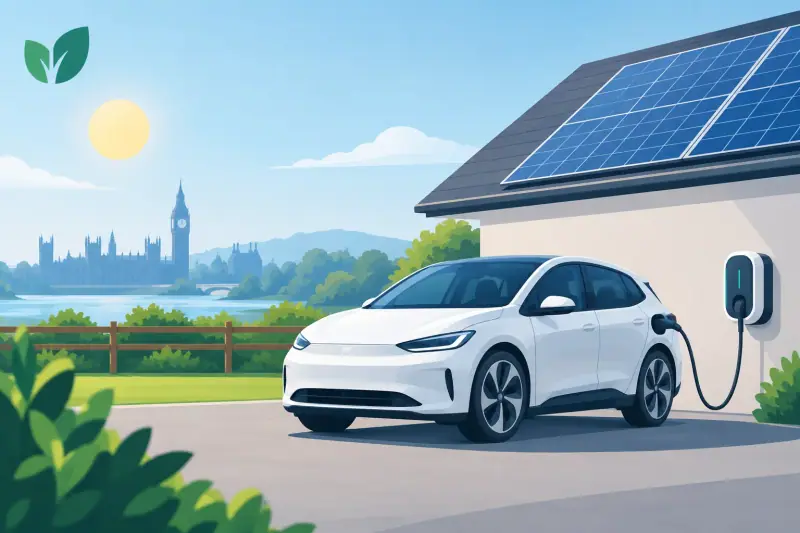
Yes. Solar panels generate electricity during daylight hours, and that power can be used by appliances in your home, exported to the grid or directed to an electric vehicle charger. With a compatible smart charger, surplus solar generation can be prioritised for your car.
In simple terms, your home uses solar power first. If the panels are producing more electricity than the property needs at that moment, the charger can use the excess to charge the car. This is often called solar matching, solar diversion or surplus charging.
You do not need bright sunshine all day for this to work. Solar panels generate in daylight, including on overcast days, although output is lower. The strongest results come from matching charging to the hours when your system is producing well, usually from late morning into the afternoon.
How much solar power does an EV need?
Electricity use varies by vehicle, road conditions and driving style, but many EVs use around 3 to 4 miles of range per kWh. A car travelling 8,000 miles a year may therefore need roughly 2,000 to 2,700 kWh of electricity annually.
For context, a typical 4 kW residential solar system in southern England might generate around 3,400 to 4,200 kWh per year. That does not mean all of that energy will go into the vehicle. Your home has its own daytime demand, and solar generation is seasonal. However, it shows why an EV and solar panels can be such a sensible pairing.
A larger system can generate more energy, but roof space is only one part of the design. The right solution should account for your property’s annual consumption, your expected mileage, shading, roof orientation and the capacity of your electrical supply. An MCS-certified installer can assess these factors properly rather than relying on a one-size-fits-all estimate.
The timing challenge: solar generation versus charging
The main challenge is not whether solar can power your car. It is whether the car is at home when the solar power is available.
If you work from home, have a vehicle on the drive during the day or can regularly charge at weekends, solar charging can be highly effective. If your car is usually away from home between 8am and 6pm, you may use less of your solar generation directly. You can still benefit from solar across the rest of your home, but the car will more often charge from the grid overnight.
This does not make solar a poor investment. It simply means your system should be designed around how you actually live. Households with time-of-use energy tariffs can often combine daytime solar charging with cheaper off-peak overnight charging when needed. That approach can keep EV running costs low throughout the year, including darker winter months.
Smart chargers make the difference
A standard home charger will charge at the rate you set, regardless of how much solar electricity is available. A smart charger with solar integration can adjust the charging rate to follow your surplus generation.
For example, if your panels are producing 3 kW more than your home is using, the charger can send that available power to the car instead of exporting it. If cloud cover reduces output, the charger can slow down or pause charging, depending on your chosen settings.
Many smart chargers also allow you to set a minimum battery level or a ready-by time. This matters when you need the car for work, school runs or a longer journey. You can choose to use solar where possible while ensuring the vehicle has enough charge when you need it.
Does home battery storage help?
Battery storage can add flexibility, but it is not essential for solar EV charging. If your car is parked at home during the day, charging it directly from surplus solar is usually the most efficient route. Power goes from your panels to your vehicle without first being stored and then released.
A home battery becomes particularly useful when your household uses most of its electricity in the morning and evening. It can store unused solar generation for later use, reducing the electricity you need to buy after sunset. It may also allow you to charge the car strategically during cheaper off-peak periods while reserving daytime solar for household use.
The trade-off is cost. Batteries are a valuable addition for many homes, but they should be sized around your wider usage, not simply added because you own an EV. A clear proposal should show how a battery changes your expected self-consumption, grid imports and payback period.
What happens on cloudy days and in winter?
Your solar panels will still generate electricity on cloudy days, but output can be much lower than on a clear summer day. Winter brings shorter days and lower sun angles, so solar production falls just as lighting and heating demand may increase.
That is why it is better to think of solar as reducing the cost of charging over a year rather than promising that every journey will be powered solely by your roof. In summer, you may have generous daytime surplus for the car. In winter, you may rely more on a competitively priced overnight tariff, while solar continues to support your household demand when it can.
This balanced approach is realistic and financially sensible. Solar gives you a valuable source of self-generated electricity, while smart charging and the right tariff help fill the gaps at the lowest available cost.
Is charging an EV with solar cheaper than exporting power?
Often, yes. The financial value depends on the difference between what you would pay to import electricity and what you receive for exported solar through your Smart Export Guarantee tariff.
If buying electricity costs substantially more per kWh than your export payment, using surplus solar in your car can provide better value than sending it to the grid. For example, using 10 kWh of solar to avoid importing electricity at a higher rate can save more than exporting those same 10 kWh.
However, the best choice can change with your tariff. Some export tariffs pay attractive rates at certain times, while some EV tariffs offer very low overnight charging prices. A smart energy plan considers both, rather than assuming self-consumption is always the only answer.
Choosing a solar and EV charging system
For a dependable result, the panels, inverter, charger and optional battery need to work as one energy system. The most useful first step is a site survey that looks beyond the roof itself. Your installer should ask about annual electricity use, expected mileage, parking arrangements, charger requirements and whether your lifestyle keeps the car at home during the day.
It is also worth checking that the proposed design includes clear monitoring. Being able to see solar generation, household usage, battery levels and car charging helps you build better habits and understand the savings your system is delivering.
At Infused Solar Energy, systems are designed around the way each property uses power, with MCS-certified installation and support from survey through to aftercare. That means homeowners can make a confident decision based on realistic performance, not vague promises.
A smarter way to power the miles ahead
Solar will not remove the need for grid electricity in every season or suit every driving pattern in exactly the same way. But if you own an EV, or plan to buy one, it can turn your roof into a practical source of lower-cost fuel. With the right system design and smart charging controls, more of the electricity you generate can stay at home: and take you further.