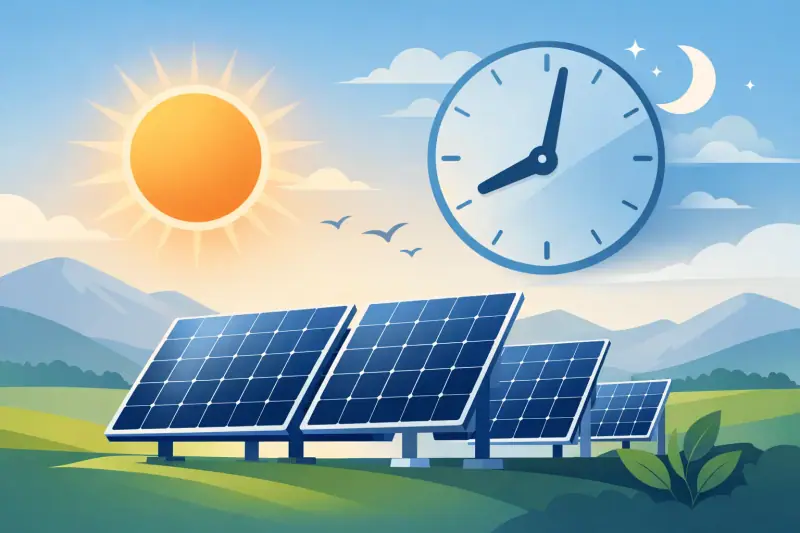
If you are weighing up solar for your home or business, one question usually comes up early: how long do solar panels last, and will they still be worth it years down the line? It is a fair question, especially when you are making a long-term investment. The reassuring answer is that modern solar panels are built to last for decades, and a well-designed system can keep generating useful electricity long after the headline warranty period.
For most property owners in the UK, the realistic expectation is around 25 to 30 years of strong performance from the panels themselves. In many cases, they continue producing beyond that. The more useful way to think about it is not that panels suddenly stop at year 25, but that they gradually produce a little less electricity as they age.
How long do solar panels last in real terms?
Most solar panels come with a product warranty and a performance warranty, and the difference matters. The product warranty covers the panel itself against manufacturing defects for a set period, often 10 to 25 years depending on the brand and model. The performance warranty is about output over time. It usually guarantees that the panel will still produce a certain percentage of its original capacity after 25 years, often around 80 to 87 per cent.
That means a panel rated at 430W today might still be delivering somewhere around 350W to 375W after 25 years, depending on its degradation rate. So when people ask how long solar panels last, the practical answer is this: they remain productive for a long time, but not at exactly the same level they started with.
That decline is normal. It does not mean the system is failing. It is simply part of the expected lifespan of solar technology.
What affects solar panel lifespan?
Not all systems age in the same way. Panel lifespan depends on product quality, installation standards, weather exposure, and how well the wider system is looked after.
Higher-quality panels tend to degrade more slowly and are better able to handle years of rain, wind, frost, and temperature changes. That matters in the UK, where conditions can be changeable and roofs need equipment that is built for the long term. A cheaper panel may lower the upfront spend, but if it degrades faster or carries weaker warranty protection, the lifetime value may not be as strong.
Installation quality is just as important. Even excellent panels can underperform if they are poorly fitted, exposed to avoidable shading, or paired with components that are not right for the property. Roof fixings, cable routing, inverter setup, and system design all play a part in long-term reliability. This is one reason many customers prefer a full-service installer that handles the process from survey to aftercare.
Dirt and debris can also have an effect, though usually more on performance than lifespan. A build-up of leaves, bird droppings, or heavy grime can reduce output if left unchecked. In most cases, rainfall helps keep panels reasonably clear in Britain, but some sites need occasional maintenance.
Do solar panels stop working after 25 years?
No, not usually. The 25-year figure is often misunderstood because it appears so often in warranties and marketing. In reality, it is better viewed as a benchmark for long-term performance rather than an expiry date.
Many solar panels continue working well beyond 25 years. The question is whether their output remains worthwhile for your needs. For most households and businesses, even lower output can still mean meaningful bill savings, especially if the original system was sized correctly and supported by good monitoring.
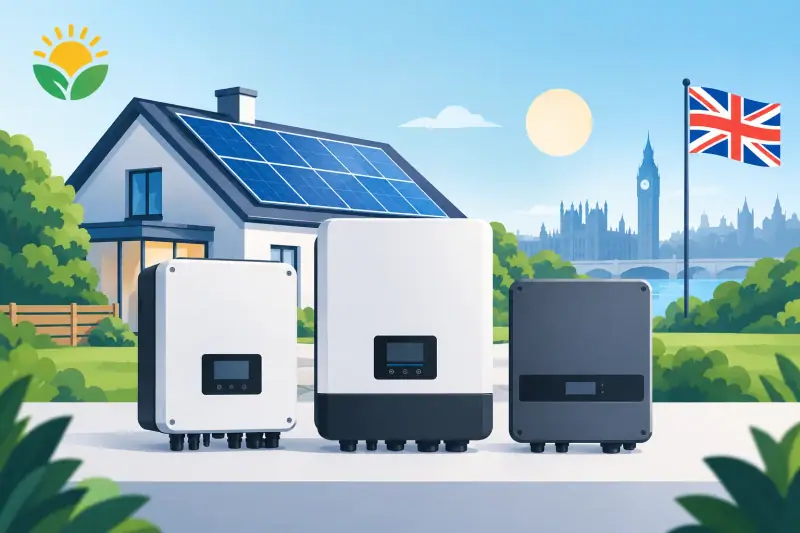
The wider system may need attention before the panels do. Inverters, for example, generally have a shorter lifespan than the panels themselves. A string inverter might need replacement after 10 to 15 years, while some microinverters can last longer. Batteries also have their own life cycle, usually measured in charge cycles and years of use. So if you are looking at the whole solar setup, panels are often the longest-lasting part.
How quickly do solar panels degrade?
Solar panel degradation is the small reduction in output that happens over time. For modern panels, a typical degradation rate is around 0.3 to 0.8 per cent per year, with premium products often sitting at the lower end of that range.
There can also be a slightly bigger drop in the first year, followed by steadier decline. This is completely standard and is usually built into the manufacturer’s performance warranty.
For homeowners, the important point is this: degradation is gradual. You are not likely to notice a sudden cliff-edge drop in generation. Instead, the system produces a little less each year while still delivering long-term savings. That is one reason solar remains such a practical investment. You are buying decades of electricity generation, not a short burst of performance.
What lasts longest: the panels or the other parts?
The panels usually outlast the supporting components. This is where clear advice matters, because the lifespan of a solar system is not just about the modules on the roof.
The inverter is often the first major component likely to need replacement. As the part that converts generated electricity into usable power for your property, it works hard every day. A replacement during the life of the system should be seen as a normal maintenance event rather than a sign the solar panels have reached the end.
Mounting systems are built to be durable and should last for decades when fitted correctly with the right materials for the roof type. Monitoring equipment may need updating over time, and if you have battery storage, that will have its own expected service life.
This is why a proper proposal should look beyond panel wattage alone. Long-term value comes from the quality of the full system and the support behind it.
How can you help solar panels last longer?
Good installation is the starting point, but a little attention over the years helps protect performance. Monitoring is one of the most useful tools because it can show whether the system is producing as expected. If output drops unexpectedly, the issue might be shading, an inverter fault, or a maintenance concern that can be dealt with early.
It also helps to have the system inspected if you notice anything unusual, after major storms, or as part of routine care. Most solar systems are low maintenance, but low maintenance does not mean no maintenance at all.
Choosing an MCS-certified installer matters here. Proper design, compliant installation, and clear warranty support all reduce the risk of long-term issues. A well-installed system is more likely to give you the full benefit of those 25 to 30-plus years.
Is solar still worth it if output falls over time?
Yes, in most cases it is. Every long-life product declines a little with age, and solar is no different. The key point is whether the savings over its working life still justify the investment. For many UK homes and commercial sites, the answer is yes, because even with gradual degradation, solar can cut imported electricity and protect against rising energy costs for decades.
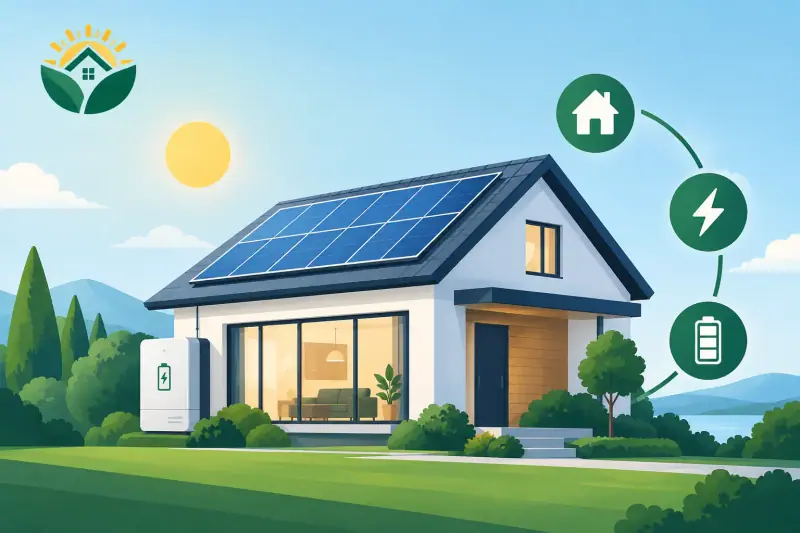
If you add battery storage, you may also use more of the electricity you generate rather than exporting it. That can improve the value of the system, particularly for households with evening usage or businesses trying to reduce peak-time reliance on the grid.
The trade-off is that better equipment often costs more upfront. Premium panels with lower degradation rates and longer warranties may improve long-term returns, but the right choice depends on budget, roof space, and your priorities. Some customers want the lowest entry cost. Others want maximum output and stronger lifetime performance. A good installer should explain that balance honestly.
So, how long do solar panels last for a UK property?
For most UK properties, you should expect solar panels to last at least 25 to 30 years, with many systems continuing beyond that at reduced output. What matters most is not chasing a single lifespan figure, but making sure the system is designed properly, installed to a high standard, and supported over time.
That is where working with an experienced provider makes a difference. A company such as Infused Solar Energy looks at the full picture, your roof, your usage, the right panel choice, battery options, warranties, and aftercare, so the system is built to perform not just on day one, but for the long run.
Solar is one of the smartest home and business upgrades because it keeps working quietly in the background year after year. If you choose well at the start, those panels on the roof can keep paying you back long after the installation day is forgotten.