A solar panel system can generate valuable electricity for decades, but the moment that electricity is produced matters. For many UK properties, the real question is solar battery vs no battery: should you use solar power as it is generated and export the surplus, or store more of it for later?
The right answer depends on how your household or business uses electricity, your tariff and what you want from the investment. A battery can increase the amount of solar energy you use yourself and give you greater control over rising energy costs. But it also adds to the upfront cost, so it needs to suit your priorities rather than simply look good on paper.
Solar without a battery: simple, effective and lower cost
A solar-only system sends the electricity generated by your panels straight into your property first. During daylight hours, appliances such as your fridge, washing machine, computers or office equipment can use that solar power immediately. Any electricity you do not need at that moment is normally exported to the grid, earning payments through a Smart Export Guarantee tariff.
This is a straightforward route into solar. With fewer components, the initial investment is lower than a system with storage, and the design is often simpler. For properties where someone is at home during the day, or businesses with daytime electricity demand, a solar-only system can deliver strong savings because generation and consumption naturally overlap.
A workshop, office, school or retail premises may use a significant amount of electricity while the sun is out. In these cases, much of the solar generation can be used on site without a battery. The same can apply to households with flexible routines who are happy to run appliances in the daytime.
The limitation is timing. Solar production is usually highest around the middle of the day, while many homes use most electricity in the morning and evening. If nobody is using enough power when the panels are generating, more electricity is exported at a lower rate than the cost of importing electricity later that evening.
That does not make a battery-free system a poor choice. It simply means that maximising solar savings may require some habit changes, such as scheduling laundry, dishwashing or electric vehicle charging for daylight hours.
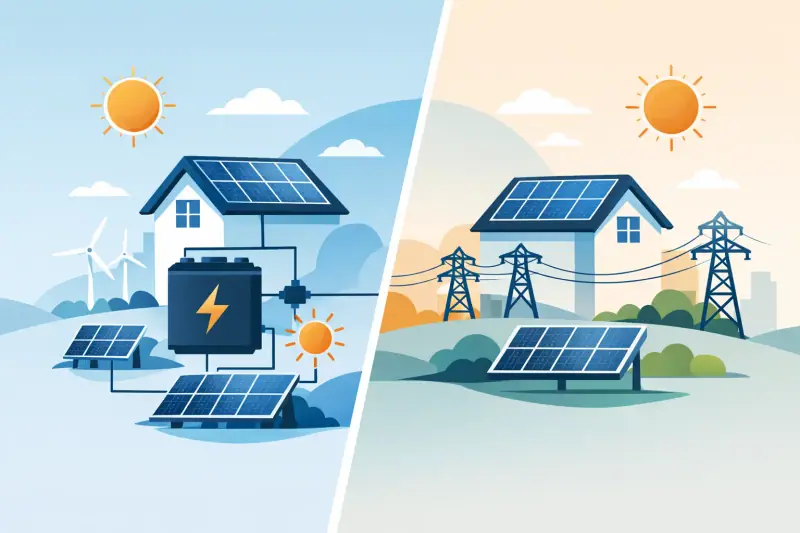
Solar battery vs no battery: what changes?
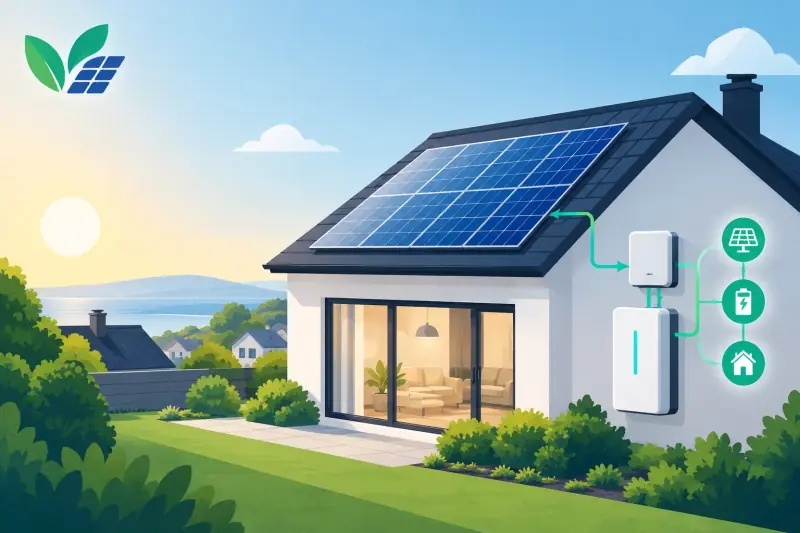
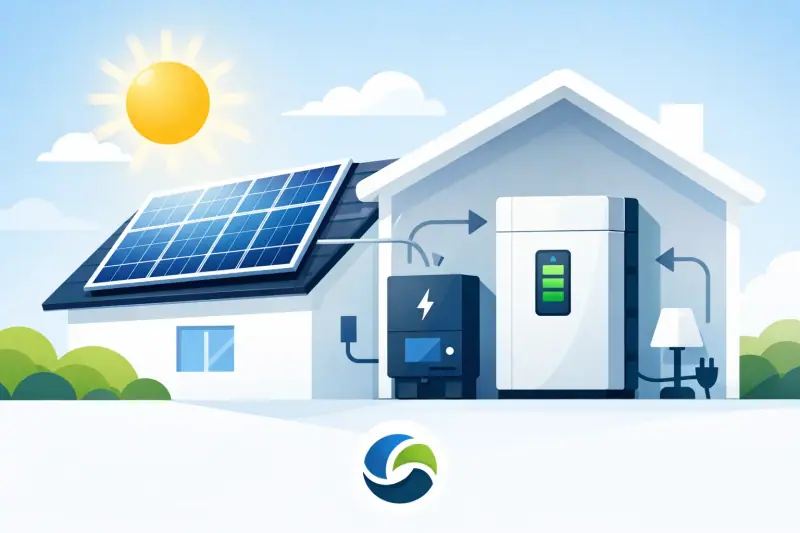
A home battery stores surplus solar electricity instead of exporting it straight away. You can then use that stored energy after sunset, in the early morning or whenever your electricity use is higher than your panels are producing.
For a typical household, this can make solar feel more useful day to day. Rather than watching excess generation leave the property at lunchtime and buying electricity back at peak times, you retain more of the energy your system has produced.
A battery can also charge from the grid when electricity prices are lower, if your tariff and system are set up to support it. It can then supply the property during more expensive periods. This is particularly relevant for households on time-of-use tariffs, although the savings will depend on the difference between off-peak and peak rates, battery capacity and daily energy use.
The trade-off is the upfront investment. Batteries are sophisticated pieces of equipment, and the best size is not always the largest one. An oversized battery may regularly sit partly empty in winter because there is not enough solar surplus to charge it. A battery that is too small may fill early on bright days and export the remaining generation anyway. Good system design matters more than headline capacity.
When a battery is likely to make sense
Battery storage tends to be most attractive for households that consume a meaningful amount of electricity outside solar-generating hours. Families returning from work and school in the late afternoon, for example, often see their demand rise just as solar generation falls.
It can also suit properties with higher electricity use, including homes with electric vehicles, heat pumps, electric cooking or regular home working. These technologies do not automatically mean a battery is essential, but they can create more opportunity to use stored energy effectively.
A battery may be a sensible addition if you want greater control rather than relying solely on export payments. Electricity prices can change, and a battery gives you flexibility in how and when you use your solar generation. For many homeowners, that control is part of the appeal of choosing to Own Your Energy.
Some battery systems can also provide backup power during a power cut, but this should never be assumed. Not every battery offers this function, and those that do may need additional equipment, specific installation design and a dedicated backup circuit. If resilience is important to you, raise it at the survey stage so it can be designed properly.
When no battery may be the smarter decision
There is no value in adding technology that does not match the property. A solar-only installation may be the stronger financial choice if your daytime electricity use is already high, your budget is focused on getting panels installed sooner, or your available roof space limits the size of the solar array.
Commercial properties are a good example. A business operating between 8am and 6pm may consume most of its solar output as it is generated. In that scenario, directing budget towards a larger solar array could offer better value than battery storage, subject to the site’s energy profile and connection capacity.
A battery-free solar system can also be a sensible first step for homeowners. Many modern solar systems can be designed with future battery integration in mind. This gives you the benefit of immediate bill savings through solar generation, while leaving the option to add storage later if your energy use, tariff or budget changes.
The key is to ensure this is planned from the outset. The inverter, consumer unit arrangements and system layout can affect how easily a battery can be added in the future.
Compare the figures that actually matter
The decision should not be based on a single estimated saving. A well-prepared proposal should show how the system is expected to perform for your property, using your roof orientation, shading, electricity consumption and likely export rate.
Start with self-consumption. This is the proportion of your solar electricity that you use within the property. Without a battery, self-consumption may be lower if you are out during the day. With a battery, it can increase because surplus power is held for later use. Higher self-consumption generally means avoiding more imported electricity, which is often worth more than exporting the same unit.
Then consider export income. Exporting surplus solar is still useful, and a good export tariff can improve returns from a solar-only system. However, compare that payment with the price you pay to import electricity in the evening. The gap between those two figures helps show the potential value of storage.
Finally, look at payback in context. Solar panels and batteries have different costs, lifespans and warranty terms. The battery should be assessed as an addition to the solar system, not as a guaranteed shortcut to the fastest payback. For some properties, its value lies in lower bills and tariff flexibility. For others, the priority is backup capability or reducing reliance on the grid.
Size the system around your real routine
The most accurate answer comes from understanding your consumption pattern, not guessing based on the number of bedrooms in your home. Half-hourly smart meter data can reveal when you use electricity, how much you import overnight and whether a battery would regularly cycle.
Your installer should also assess roof size, orientation, shading, the condition of the electrical installation and future plans. If you are considering an electric vehicle, heat pump or extension in the next few years, it is worth building that into the conversation. A system designed for your life now, with room to adapt, is usually a better investment than one chosen from a standard package.
At Infused Solar Energy, this is why a proper survey and bespoke design come before installation. MCS-certified engineers can match panel output, inverter capacity and battery storage to the way the property actually uses energy, while making the process clear from first proposal to monitoring and aftercare.
A practical way to decide
Choose solar without a battery if you want the lowest upfront cost, use plenty of electricity in daylight hours or would rather reserve budget for a larger panel system. You will still reduce grid imports, earn export payments for surplus generation and benefit from clean electricity produced on your roof.
Choose solar with a battery if your demand is mostly in the morning and evening, you want to retain more of your own generation, or you are prepared to use an appropriate tariff to increase savings. It is especially worth considering where energy independence and greater control are as important as the initial return.
The best system is not automatically the one with the most equipment. It is the one that turns your roof, routine and energy goals into a clear plan you can rely on for years to come.