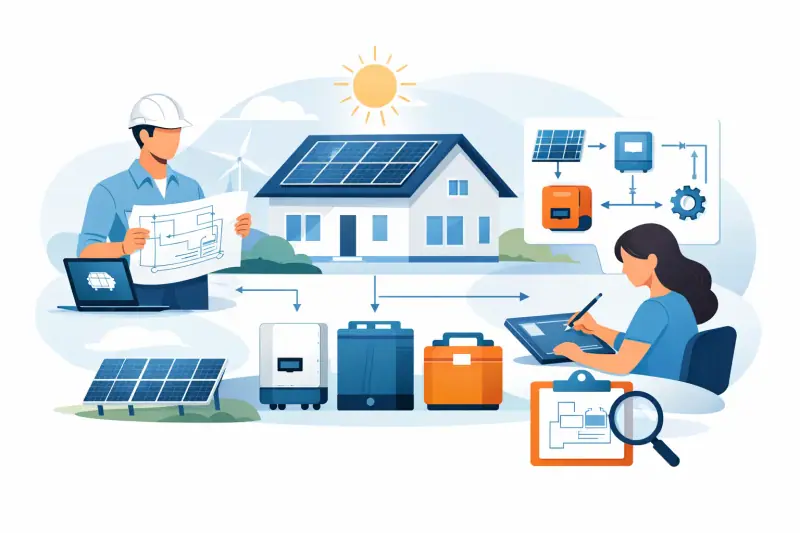
Your roof may look ready for solar, but the best result is never decided by roof space alone. A well-planned system considers how your property uses electricity, when you use it, how much sunlight reaches the panels, and whether battery storage can keep more of that power in your hands. The solar panel system design process turns those details into a system that is practical, safe and built around genuine savings.
For UK homeowners and businesses, this is where the value of a professional installer becomes clear. A tailored design avoids the common mistake of fitting the largest system possible without considering export levels, daytime demand, future energy needs or the condition of the roof.
Start with your energy goals
Before panel layouts or equipment choices are discussed, establish what you want solar to achieve. Some property owners want to reduce a high monthly electricity bill. Others are planning for an electric vehicle, heat pump or home battery. Commercial customers may be looking to lower operating costs and make better use of daytime electricity demand.
Your current electricity consumption provides a useful starting point, but annual usage alone does not tell the whole story. A household using 4,000 kWh a year mostly in the evening will benefit from a different setup than a home using the same amount during the day. Likewise, a business operating from 8am to 5pm may use a high proportion of solar generation as it is produced.
A good proposal should explain the expected generation, likely self-consumption and estimated grid export in plain language. It should also be honest about variables such as weather, changing electricity tariffs and shifts in how you use energy.
Assess the property properly
A site survey is the foundation of the solar panel system design process. This is not simply a glance at the roof from ground level. The survey checks whether the property can safely support the proposed installation and identifies anything that could affect output or installation time.
Roof orientation, pitch and shading
South-facing roofs generally generate the most electricity over a year, but east- and west-facing roofs can still be highly effective. In fact, an east-west layout can suit households that use more electricity in the morning and late afternoon, because generation is spread more evenly across the day.
Roof pitch also influences performance, although there is no single perfect angle for every property. A skilled designer balances the roof’s existing angle, usable space, wind loading and anticipated output rather than pursuing a theoretical number that is not practical on site.
Shading deserves particular care. Chimneys, dormers, neighbouring buildings, trees and even roof-mounted equipment can cast shadows across panels at different times of year. Partial shading can reduce generation more than many people expect, so it needs to be modelled accurately. Where appropriate, panel-level optimisation may help reduce the effect of shading, but it is not automatically necessary for every system.
Roof structure and electrical checks
The survey should also consider the roof covering, condition of the timbers and access requirements. It makes little sense to install solar on a roof that needs major repair shortly afterwards. If work is required first, dealing with it before installation protects your investment and prevents disruption later.
Your existing consumer unit, earthing arrangements and incoming supply are assessed too. The system needs to integrate safely with the property’s electrical installation. For some larger systems, particularly at commercial sites, the network operator may need to confirm the connection arrangement before work begins.
Design the system around how you live or work
Once the survey information is available, the design can move from broad estimates to a precise proposal. This should set out the number and position of panels, inverter type, predicted generation and the expected financial case for your property.
Panel quantity is not a badge of success. More panels can produce more electricity, but only if the roof can accommodate them safely and the additional generation makes financial sense. If a property exports a large amount of low-value electricity to the grid, adding battery storage or choosing a layout that better matches demand may offer a stronger result.
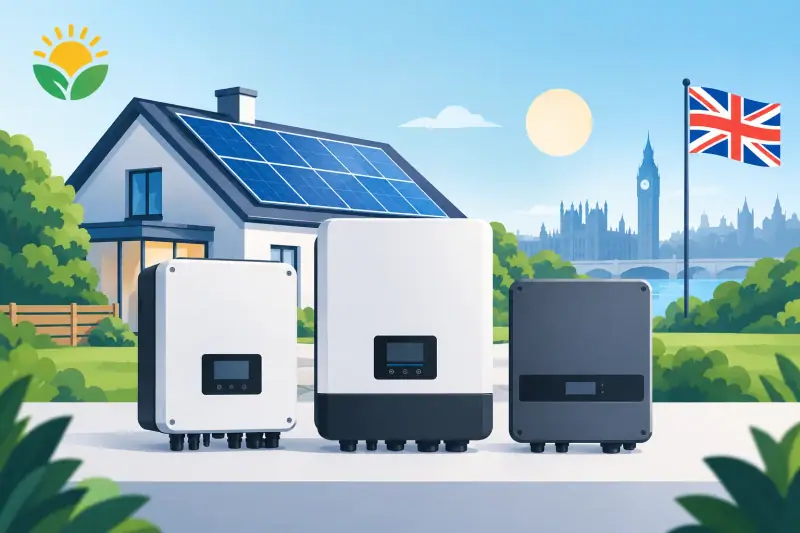
The inverter is equally significant. It converts the direct current generated by the panels into usable alternating current for your property. Depending on the roof layout, shading and plans for battery storage, the right choice may be a string inverter, a hybrid inverter or a system using microinverters or optimisers. Each has advantages, costs and maintenance considerations, so the decision should be based on the site rather than a one-size-fits-all package.
Decide whether battery storage is right for you
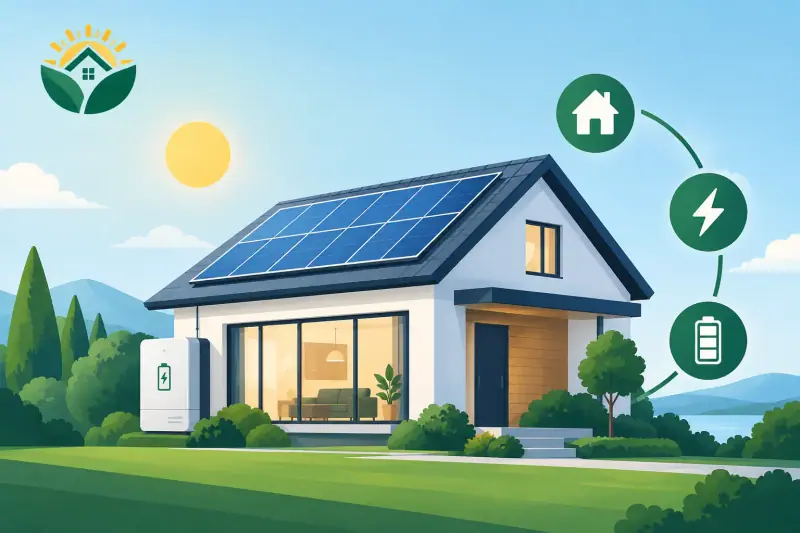
Solar panels generate most when daylight is strongest, while many homes use the most electricity after work, cooking dinner or charging devices in the evening. A battery stores surplus solar electricity for later use, helping you rely less on imported power from the grid.
Battery storage can be particularly worthwhile for homes with regular evening demand, electric vehicles or time-of-use tariffs. It may also give greater control over when you import electricity, allowing lower-cost overnight power to be stored for use at more expensive times. However, it is not essential for every project. A home with high daytime consumption may already use much of its solar generation directly.
Battery capacity should be chosen with care. An oversized battery can cost more without delivering proportionate savings, while a smaller unit may cycle effectively and offer better value. Your installer should discuss usable capacity, warranty terms, expected cycling and whether the system can be expanded later.
Review performance estimates and costs clearly
A professional design proposal should make the numbers easy to understand. You should be able to see estimated annual generation, the proportion likely to be used on site, likely export, system cost and the assumptions behind projected savings.
Predictions are useful, but they are not guarantees. Solar output changes with weather, shading, panel cleanliness and seasonal daylight. Savings also depend on future electricity prices and your own habits. A transparent installer will explain these limits rather than presenting a single payback figure as certain.
For commercial projects, the financial picture may also include operating hours, business growth plans and the value of reducing peak grid use. For homeowners, it is sensible to consider future changes such as a new electric vehicle, a heat pump or growing family energy use. Designing with reasonable future flexibility can prevent expensive alterations later.
Plan a safe, efficient installation
Once you are happy with the design, installation planning can begin. This includes confirming equipment, arranging scaffolding where needed, preparing access and ensuring all safety requirements are met. Many straightforward residential installations can be completed in one day, while larger or more complex roofs may need longer.
MCS-certified engineers should install and commission the system in line with current standards. During commissioning, the installer checks that the panels, inverter, protection devices and monitoring equipment are working correctly. You should receive the relevant handover documents, warranty information and clear guidance on how to use the system.
This stage should feel organised, not disruptive. A capable installation team protects the work area, keeps you informed and leaves the property tidy once the work is complete.
Use monitoring to get more from solar
The design process does not end when the panels are switched on. Monitoring shows how much electricity the system is generating, how much you are using and, where a battery is fitted, when it is charging and discharging.
The first few weeks are a chance to understand your new energy pattern. You may find that running the washing machine, dishwasher or electric vehicle charger during brighter parts of the day increases the value of your solar generation. Small changes can make a meaningful difference over a year.
Ongoing support matters too. If generation appears unexpectedly low or an alert is shown in the monitoring app, prompt advice can help identify whether the issue is weather-related, a connectivity problem or something that needs attention. Infused Solar Energy designs, installs and supports systems as a complete service, so customers have one team to call throughout the journey.
A design that earns its place on your roof
The smartest solar investment is not necessarily the biggest or the cheapest. It is the system that fits your roof, your electricity use and the way your plans may change over time. Ask for a design that explains its assumptions, treats shading seriously and gives you confidence in every part of the installation. With the right preparation, your panels can do more than generate clean electricity: they can help you own more of the energy you use.