A £300 monthly electricity bill changes the solar conversation. For households and businesses with consistently high demand, solar for high electricity users is not simply about generating a little cheaper power in summer. It is about reducing expensive grid imports, making better use of energy throughout the day and building greater control into a property’s long-term running costs.
The opportunity can be significant, but a larger bill does not automatically mean a larger solar system is the right answer. The best result comes from matching the system to when you use electricity, not just how much you use over a year.
Why high electricity use can improve the case for solar
Solar panels produce power during daylight hours. Every unit your property uses directly from the panels is a unit you do not need to buy from the grid at your usual electricity rate. This is known as self-consumption, and it is central to the value of a solar installation.
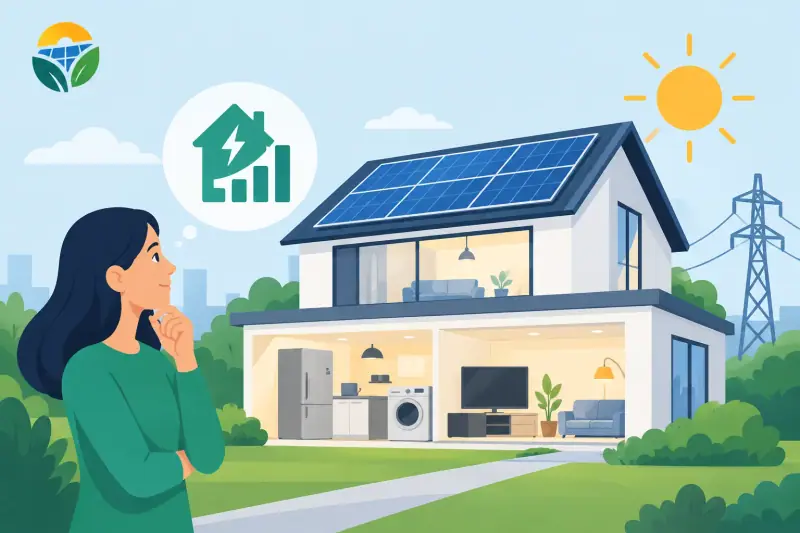
High electricity users often have a stronger starting point because there is more demand to meet. A busy family home may run appliances, cooking, heating controls, a home office and an electric vehicle charger. A commercial property may have daytime lighting, refrigeration, machinery or IT equipment. If that demand happens while the panels are generating, more solar power is used on site rather than exported.
Export payments still have value, but they are usually lower than the price paid to import electricity. Using solar generation as it is produced will generally deliver the best savings per unit. That is why a detailed review of half-hourly usage data, where available, is more useful than selecting a system based on roof size alone.
High usage does not mean oversizing
It is tempting to fill every available section of roof with panels. Sometimes that is sensible, especially where a property has strong daytime demand, suitable roof aspects and plans to add an electric vehicle, heat pump or battery. In other cases, it can mean producing more electricity than can be used or stored at the most valuable times.
A well-designed system balances several factors: annual consumption, daytime base load, roof orientation, shading, usable roof area, electricity tariff and future plans. South-facing panels often deliver the highest annual output, but east and west roof sections can be extremely useful for high-use households. They spread generation across the morning and afternoon, often matching real household demand more closely.
For example, a household using a large amount of electricity because everyone is out during the day may need a different approach from a home where someone works remotely, appliances run regularly and an EV returns for daytime charging. The annual bill may look similar, but the savings profile can be very different.
Battery storage can make more of each solar unit
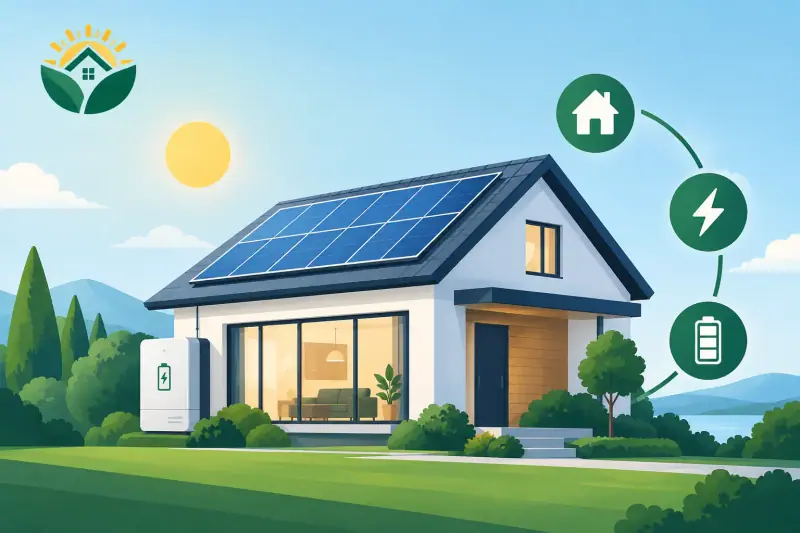
For many high electricity users, battery storage is the part of the system that turns good solar generation into greater daily savings. Rather than exporting surplus solar at midday, a battery can store it for use later, when cooking, washing, charging or evening household demand rises.
Battery capacity should be selected with care. A battery that is too small may fill early and leave useful solar generation to export. One that is much larger than the property can regularly charge from may not offer the best return. The right size depends on summer surplus, evening demand, winter consumption and whether you intend to use a time-of-use tariff.
A battery can also charge from the grid during lower-cost periods and supply the property when rates are higher. This can be valuable in winter, when solar production is lower but electricity use remains high. It does not remove the need to buy grid electricity, particularly for properties with heavy winter heating loads, but it can help you buy it more intelligently.
The key is to treat solar panels and battery storage as one energy plan, rather than two separate purchases. Monitoring and sensible settings matter just as much as capacity.
How to size solar for high electricity users
The starting point is your actual consumption. Twelve months of bills provide a useful annual figure, while smart meter or half-hourly data shows the pattern behind it. An experienced survey and design process should then assess your roof and model likely generation across the year.
A suitable proposal should clearly show the system size in kilowatts peak (kWp), expected annual generation in kilowatt-hours (kWh), estimated self-consumption and likely export. It should also explain the assumptions behind the figures. Solar output changes with weather, shading and season, so honest estimates are more valuable than overly optimistic promises.
It is also worth considering what will change in the next few years. An electric vehicle can increase household consumption substantially, while a heat pump may shift demand towards colder months and different times of day. A growing business may add equipment, longer operating hours or more staff. Designing for foreseeable demand can avoid the cost and disruption of making major changes later.
Your electrical supply and distribution board may need assessment as well. Larger systems, batteries and EV chargers must be designed safely and in line with the relevant network requirements. This is not an area for guesswork. MCS-certified installation and a properly managed connection process protect both performance and peace of mind.
The trade-offs worth discussing before you buy
Solar is a long-term property investment, not a promise that every future bill will disappear. Winter generation is lower, and periods of high demand can still require substantial grid electricity. If your usage rises sharply after installation, the percentage of your bill covered by solar may reduce even though the system is working as expected.
There are practical trade-offs too. A larger array can generate more power, but roof space, shading and planning considerations may limit what is appropriate. A battery increases the amount of solar you can keep, but it adds upfront cost. Time-of-use tariffs can improve savings, but they require you to understand how your battery and major appliances are scheduled.
The strongest proposals set out these choices plainly. You should be able to see what is included, how the system will be monitored, what warranties apply and who will support you after installation. A cheaper quote can prove expensive if it excludes essential electrical work, monitoring setup or meaningful aftercare.
Making the most of your system after installation
Once the system is live, small changes can protect its value. Set dishwashers, washing machines and tumble dryers to run when solar generation is strong where practical. Charge an EV during daylight hours when you are at home, or use intelligent charging controls that respond to available generation. Review your monitoring app regularly, particularly in the first few months, to understand how the property uses and stores energy.
For commercial sites, the same principle applies at a larger scale. Moving flexible processes into daylight hours can raise self-consumption without affecting output. A good installer can help explain the monitoring platform and identify whether a battery upgrade or tariff change may be worthwhile as consumption develops.
Ongoing maintenance matters as well. Solar panels are generally low maintenance, but monitoring can flag unexpected changes in performance, while a professional inspection offers reassurance that the system remains safe and productive. A full-service provider should remain available after installation, not disappear once the panels are on the roof.
A better question than “how many panels do I need?”
For high electricity users, the useful question is not simply how many panels will fit. It is how much expensive electricity can reasonably be avoided, at what times, and how the system can adapt as your energy needs change.
At Infused Solar Energy, that means beginning with the property, the people using it and the numbers behind the bill. A carefully designed solar and battery system can help you own more of your energy, reduce reliance on unpredictable grid costs and make a practical investment in the way your home or business runs for years to come.